Breeze Medical Breeze Medical

Why is Transport Media Essential for Viral Swabs?

Time:2026-06-10 Author:Liam
0%

Transport media plays a crucial role in the proper sampling and preservation of viral swabs. Experts in the field emphasize its significance for accurate diagnostics. Dr. Emily Johnson, a leading virologist, states, "Without appropriate transport media, viral samples can degrade, leading to inaccurate results."

Preserving viral integrity during transport is essential. Viral RNA can deteriorate quickly, impacting testing accuracy. Effective transport media provide protection against environmental factors. They help maintain the stability of samples during transit. This stability is vital to ensure patient safety and reliable diagnoses.

Neglecting the importance of transport media can result in failed tests. This oversight may cause unnecessary delays in treatment. Thus, understanding "Why is transport media necessary for viral swabs" cannot be overstated. As the field evolves, continuous research will shed light on better solutions. The need for reliable testing methods remains critical in public health management.
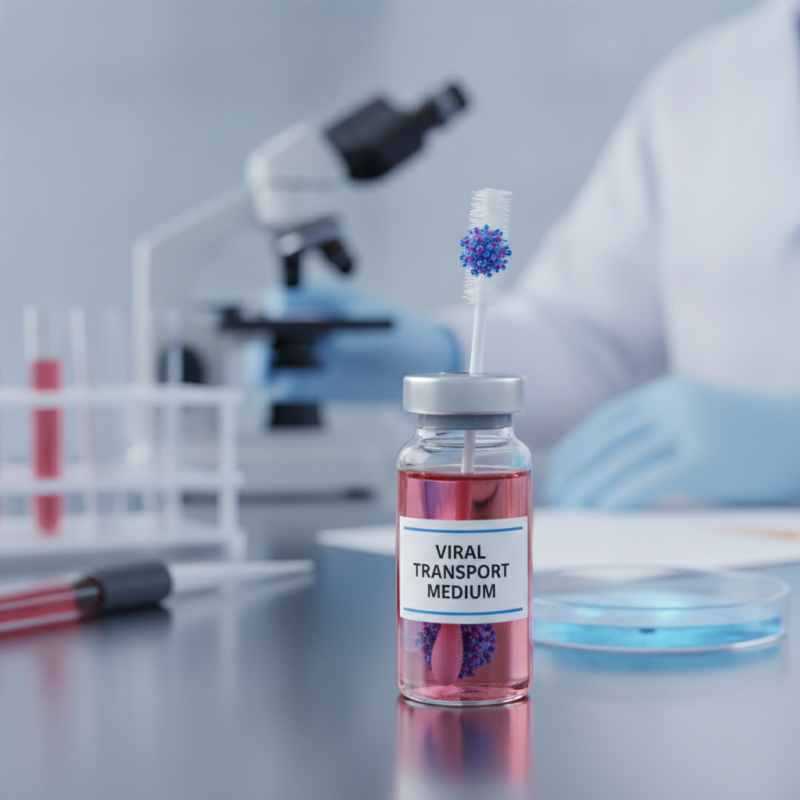
Why is Transport Media Essential for Viral Swabs?

Importance of Transport Media in Preserving Viral Viability

Transport media play a critical role in preserving viral viability during the collection and transportation of swabs. These media provide a nutrient-rich environment that helps maintain the integrity of viral specimens. When a swab is taken, the viral particles must be protected from degradation. Without appropriate media, viruses can lose their infectivity quickly.

Effective transport media ensure that specimens remain stable during transit. Time is a crucial factor in viral diagnostics. Delayed testing can result in inaccurate results if the virus degrades before reaching the laboratory. This is where the role of transport media becomes apparent. They provide an optimal temperature and pH, which are vital for sustaining viral life.

However, the choice of transport media is not always straightforward. There are different formulations available, and not all are suitable for every virus type. Misunderstandings can lead to improper usage. This variable can result in misdiagnoses, which impacts patient care. Thus, understanding the importance and limitations of transport media is essential for healthcare professionals.

Why is Transport Media Essential for Viral Swabs? - Importance of Transport Media in Preserving Viral Viability

Dimension Description Importance
pH Level The acidity or alkalinity of the transport media. Maintains viral stability and prevents degradation.
Osmolarity Concentration of solutes in the transport media. Prevents cell lysis and ensures viral integrity.
Temperature Stability Works effectively under a specified range of temperatures. Allows safe transportation over long distances without loss of viability.
Antibiotic Presence Inclusion of antibiotics to inhibit bacterial growth. Prevents contamination and supports the isolation of the virus.
Transport Time Duration from swab collection to lab analysis. Shorter transport times lead to higher recovery rates of viruses.
Volume Amount of media used in the collection devices. Adequate volume is necessary to ensure viral load is sufficient for testing.

Composition of Transport Media: Key Ingredients and Their Roles

Transport media plays a crucial role in preserving viral swab samples. The effectiveness of diagnosis heavily relies on the composition of these media. Key ingredients include nutrients, buffers, and antimicrobial agents.

Nutrients help sustain viable virus transport. For example, proteins and carbohydrates are common components. They maintain the viral structure during transit. Buffers, like phosphate-buffered saline, stabilize the pH. This stability is vital for accurate testing outcomes. Antimicrobial agents, such as sodium azide, prevent bacterial growth. They protect samples from contamination.

Tips: Always check the pH levels of your transport media. This can affect virus viability. Use tubes that minimize exposure to air. Reducing oxygen can enhance preservation.

However, not all transport media are equal. Some may not provide adequate protection for certain viruses. Reports suggest that viral load decreases if transport conditions are suboptimal. It’s essential to stay updated on best practices for sample collection and storage. Lack of proper protocol can lead to misleading results.

Impact of Temperature on Viral Stability During Transport

Transport media play a critical role in preserving viral integrity during transport. A study by the World Health Organization indicates that viral samples can degrade rapidly without proper media. Temperature fluctuations are a crucial factor. For instance, temperatures above 25°C can reduce viral load significantly, leading to inaccurate test results.

Maintaining a stable, cool environment is essential. The Centers for Disease Control and Prevention suggests that samples be kept between 2°C and 8°C during transport. This temperature range helps maintain viral stability. A report highlighted that samples at higher temperatures for just a few hours showed a 30% loss in viability. Such losses can critically affect diagnosis and treatment options.

Inadequate transport conditions can lead to severe consequences. Testing delayed by improper handling may result in missed opportunities for timely interventions. The data underscores the importance of precise temperature control. Ensuring viral samples remain viable is not merely a technical requirement; it’s a fundamental aspect of patient safety. The industry must continually reflect on these standards.

Comparison of Various Transport Media in Clinical Studies

Transport media play a crucial role in the collection and preservation of viral swabs. Various clinical studies emphasize the necessity of choosing appropriate media to maintain viral integrity. A report by the World Health Organization highlights that the right transport medium can significantly enhance the viability of SARS-CoV-2 during transportation. Transport media may vary in composition, which directly impacts the results of diagnostic tests.

A comparative study assessed different transport media types, revealing significant differences in viral recovery rates. For instance, viral cells in phosphate-buffered saline emerged as less stable than those preserved in specialized transport solutions. In fact, some media maintained viability beyond 48 hours, while others deteriorated rapidly. These variations inform clinical practices and outcomes in viral testing, underscoring the importance of stringent selection criteria.

Challenges still exist in standardizing transport media across testing environments. Not all laboratories utilize the same protocols, leading to discrepancies in results. Inconsistent practices can hinder diagnostics and delay appropriate treatment. Therefore, ongoing research is essential to establish a consensus on optimal transport media, ensuring reliability and effectiveness in viral testing.

Guidelines for Optimal Use of Transport Media in Viral Testing

Transport media play a crucial role in viral testing. They preserve the integrity of samples, ensuring reliable results. Guidelines suggest using appropriate media to minimize viral decay. According to the CDC, proper transport conditions can increase the viability of viruses by up to 90%. This is vital in diagnosing infections quickly.

For optimal use, samples must be collected and transported swiftly. Delays can compromise test results. Ideally, samples should arrive at the lab within 72 hours. Studies reveal that samples stored at improper temperatures lose potency. It's recommended to maintain a temperature range of 2-8°C.

Healthcare professionals should be trained in proper sample handling. Unfortunately, inconsistent practices can lead to inaccuracies. Ensuring adherence to guidelines is necessary for quality control. Awareness of the importance of transport media is crucial to achieve accurate viral diagnostics.

FAQS

: What is the role of transport media in viral specimen collection?

: Transport media preserve viral viability by providing a nutrient-rich environment for swabs during collection and transport.

Why is temperature control important for viral samples?

Temperature fluctuations can lead to rapid degradation of viral samples, affecting test results and diagnoses.

What happens if specimens are transported at high temperatures?

High temperatures can significantly reduce viral load, resulting in inaccurate test outcomes and potential misdiagnoses.

How should viral samples be stored during transport?

Samples should be kept between 2°C and 8°C to maintain stability and integrity.

Are all transport media suitable for every virus type?

No, different formulations exist, and not all are appropriate for every type of virus.

What are the consequences of improper transport conditions?

Improper conditions can lead to missed diagnostic opportunities and delayed patient interventions.

How do delays in testing affect patient care?

Delays can lead to inaccurate results if the virus degrades, impacting treatment decisions and patient safety.

What do healthcare professionals need to reflect on?

They must understand the importance and limitations of transport media to ensure accurate diagnostics.

Can viral samples lose viability quickly?

Yes, without proper transport media, viruses can lose infectivity rapidly during transit.

Are there risks involved with using transport media incorrectly?

Yes, misunderstandings about usage can result in misdiagnoses and worsen patient outcomes.

Conclusion

Transport media play a crucial role in preserving the viability of viruses collected through swabs, which is essential for accurate diagnostic testing. Why is transport media necessary for viral swabs? It serves to maintain the integrity of viral specimens during transit, ensuring that the viruses remain viable for testing. The composition of transport media includes key ingredients that protect viral stability, while specific temperature conditions further impact the viability of viruses during transport.

Various clinical studies have compared different types of transport media, highlighting their effectiveness in preserving viral load and integrity. Guidelines for optimal use emphasize the importance of selecting appropriate transport media to enhance diagnostic accuracy and reliability in viral testing. Overall, understanding the significance of transport media is critical for effective viral diagnostics.

Liam

Liam

Liam is a dedicated marketing professional with a profound expertise in the industry, where he excels at highlighting the unique advantages of our core products. With a keen understanding of market trends and consumer needs, Liam frequently updates our company’s professional blog, providing......