 Breeze Medical
Breeze Medical
Breeze Medical
In every laboratory, a well-organized freezer rack system is crucial for efficiency. Dr. Emily Richards, an expert in laboratory management, emphasizes, "A cluttered freezer leads to wasted time and resources." Understanding how to organize a laboratory freezer rack system can make a significant difference in research productivity.
Freezer organization isn't just about aesthetics. It ensures that samples are easy to locate, which is vital in time-sensitive experiments. Inefficient systems often cause delays, leading to frustration. Using clear labels and designated zones can help. Every researcher should reflect on their current organization system. Is it truly effective?
Creating an organized freezer rack system requires ongoing effort and adjustment. Researchers should regularly evaluate their setup and make necessary changes. Learning from inefficiencies strengthens overall laboratory practices. Prioritizing organization leads to a smoother workflow and better research outcomes.
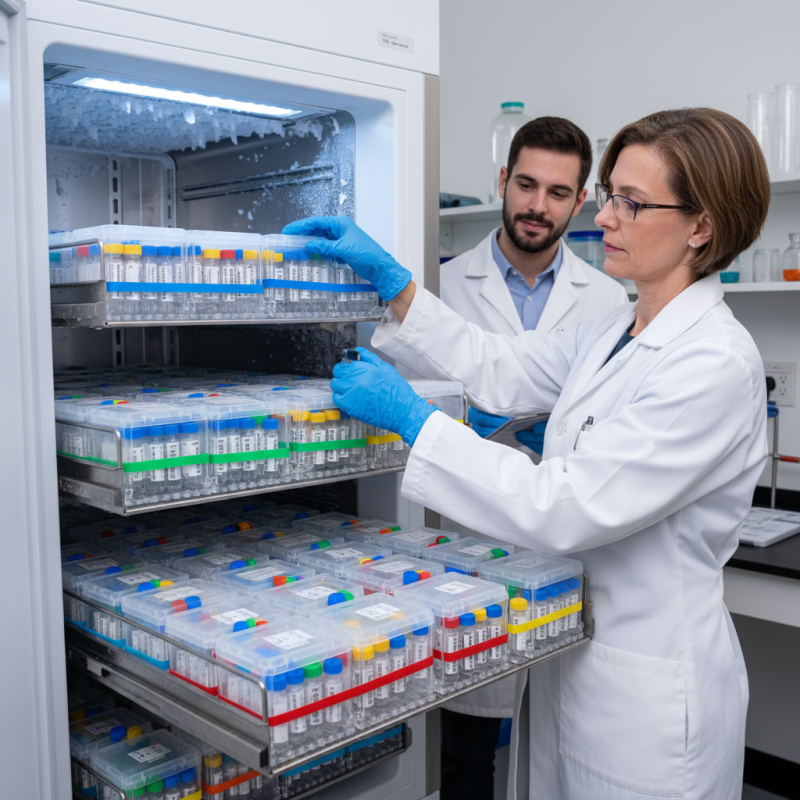
A well-organized freezer rack system is crucial in laboratory settings. It ensures easy access to important samples and prevents loss or damage. A cluttered freezer can lead to confusion and misplaced items. This can compromise research timelines and data integrity. Organizing the freezer instills a sense of control and efficiency.
Each section of the freezer should be designated for specific types of samples. Labeling racks can save time when retrieving materials. Consider temperature variations within the freezer when placing samples. Areas near the door may experience fluctuations. This is vital for sensitive specimens. Regular inventory checks remind researchers of what’s available and what needs replenishing.
It is essential to reflect on the organization process regularly. Changing research needs may require adjustments in the freezer layout. Sometimes, a previously effective system becomes inefficient. This ongoing evaluation is crucial for maintaining a reliable setup. Small changes can lead to significant improvements in workflow efficiency.
| Tip Number | Organization Tip | Importance | Frequency of Review |
|---|---|---|---|
| 1 | Label Everything Clearly | Helps to quickly identify samples | Every 2 weeks |
| 2 | Group Similar Items Together | Reduces time searching for materials | Monthly |
| 3 | Use Clear Containers | Allows visibility of contents | Every 3 months |
| 4 | Maintain a Digital Inventory | Track contents accurately | Weekly |
| 5 | Regularly Defrost and Clean | Improves efficiency and safety | Every 6 months |
: It ensures easy access to samples and prevents loss or damage. Clutter can lead to confusion.
Each section should be designated for specific sample types. Labeling helps save time during retrieval.
Temperature variations are important. Areas near the door may have fluctuations, affecting sensitive specimens.
Regular inventory checks are vital, ideally bi-weekly. This helps researchers know what's available and what needs restocking.
Clear labels enhance organization and accessibility. Color-coding can also streamline the retrieval process.
Inconsistencies can lead to confusion and misplaced samples. Training is essential to maintain a clear system.
Needs may change over time, requiring adjustments. Regular reflection helps maintain an efficient setup.
Regular defrosting is crucial to reduce ice buildup. An organized setup allows easy access during maintenance.
Audits help track expiration dates and storage conditions. They ensure the freezer temperature remains ideal.
It leads to better organization and reduces costly mistakes. Feedback from team members can enhance current practices.
Organizing a laboratory freezer rack system is crucial for ensuring efficient sample management and maintaining the integrity of stored materials. Understanding the importance of a well-organized system lays the foundation for selecting the right freezer to meet specific laboratory needs. By implementing effective labeling protocols, researchers can streamline inventory management, making it easier to locate samples when required.
Best practices for arranging samples and materials include categorizing items by type, usage frequency, or project, which enhances accessibility and reduces time spent searching for specific specimens. Regular maintenance and audits of the freezer systems are vital for ensuring functionality and preventing sample degradation. Overall, for those looking to understand how to organize a laboratory freezer rack system, these guidelines provide a comprehensive approach to optimizing freezer usability and ensuring reliable access to critical samples.
