Breeze Medical Breeze Medical

Top Sterilization Requirements for Specimen Cups Explained?

Time:2026-06-04 Author:Ethan
0%

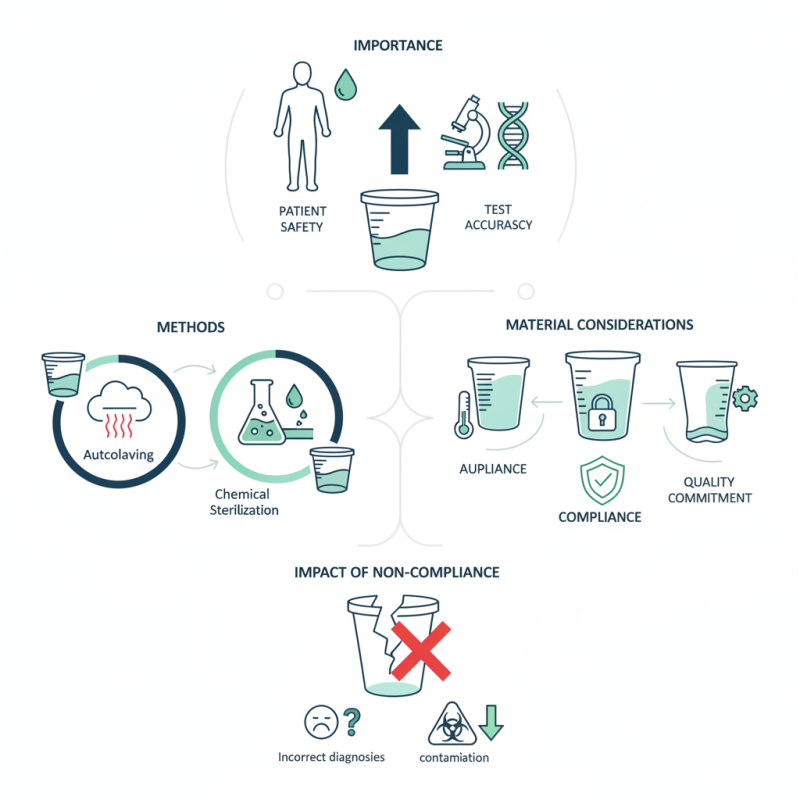
Sterilization is a critical process in healthcare, particularly for specimen cups. What are the sterilization requirements for specimen cups? This question holds great significance for laboratories and medical facilities. Proper sterilization ensures samples remain uncontaminated. It directly impacts patient safety and test accuracy.

When discussing sterilization, it is essential to consider various methods. Autoclaving is a common approach. It uses steam to eliminate microorganisms effectively. Alternatively, chemical sterilization is another option. Each method presents unique benefits and challenges. The selection process often raises questions about efficacy and reliability.

Understanding the specific requirements for sterilization is vital. Different materials may react differently during the process. For instance, some cups may not withstand high temperatures. These nuances require careful attention. Oversights in sterilization can lead to detrimental outcomes. Therefore, ensuring compliance with established standards is non-negotiable. A focus on these requirements reflects a commitment to excellence in specimen handling.
Top Sterilization Requirements for Specimen Cups Explained?

Overview of Specimen Cup Sterilization Methods

Sterilizing specimen cups is crucial in many healthcare settings. It ensures that samples remain uncontaminated, protecting both patients and laboratory staff. Various sterilization methods exist, but each has unique advantages and limitations. Autoclaving is one common method, using steam under pressure to eliminate microorganisms. However, it requires specific materials that can withstand high temperatures.

Another method is chemical sterilization. This is often used for plastic specimen cups that cannot endure high heat. Chemical agents like ethylene oxide or hydrogen peroxide are effective, but they can leave residues. Proper rinsing and ventilation are important in this process.

Radiation can also be used to sterilize specimen cups. Gamma rays are effective at penetrating materials and killing bacteria. However, radiation requires careful handling and monitoring. The complexity of these processes highlights the need for continuous evaluation. Even established techniques can benefit from refinement and improvement. Regular audits ensure that methods stay effective and meet safety standards.

Key Sterilization Technologies for Specimen Cups

Sterilization of specimen cups is crucial in healthcare. Reliable sterilization technologies ensure that specimens remain uncontaminated. Among these methods, gamma radiation stands out. It effectively penetrates various materials, achieving a high level of sterility assurance. According to industry reports, this method can reduce microbial load by up to 99.9999%.

Another prominent technique is ethylene oxide (EtO) sterilization. It is particularly suitable for heat-sensitive materials. Reports indicate that EtO can sterilize materials at low temperatures, preserving the integrity of specimen cups. However, it requires careful handling due to its toxic nature. Adhering to safety protocols is essential in this process.

Moreover, steam sterilization or autoclaving is widely used. This method employs high-pressure steam to kill bacteria, viruses, and other pathogens. Data shows that steam sterilization can achieve sterility within 20 to 30 minutes. However, not all materials can withstand this process. This limitation highlights the need for diverse sterilization options tailored to specific materials.

Importance of Compliance with Sterilization Standards

Sterilization standards for specimen cups are crucial in healthcare settings. Compliance ensures that contamination is prevented. Inaccurate sterilization can lead to harmful consequences. Facilities must prioritize proper procedures to maintain patient safety and data integrity.

Observing these standards is not always straightforward. Different materials, designs, and usage requirements create challenges. Each specimen cup may need a unique approach to sterilization. This variability demands ongoing training and expertise from staff. Engaging professionals with relevant experience enhances compliance.

Accidental lapses in sterilization occur despite the best efforts. Staff may overlook key steps in the process. Regular audits and feedback can identify areas needing improvement. Encouraging a culture of accountability fosters better practices. Each cup processed correctly adds to the collective safety of patients and professionals.

Common Contaminants and Risks in Specimen Cups

Specimen cups are critical in medical testing. However, they can become contaminated, leading to inaccurate results. Contaminants often include bacteria, fungi, and residual substances from previous samples. According to a study published in the Journal of Clinical Microbiology, nearly 15% of specimen cups were found to have microbial contamination. This level poses a significant risk to patient safety and diagnostic accuracy.


Proper sterilization is vital in minimizing these risks. Autoclaving is a common method, but it’s not foolproof. Contaminants can survive if the cups are not cleaned adequately beforehand. Reports indicate that improper handling after sterilization can introduce new contaminants. Healthcare facilities need stringent protocols for maintaining the integrity of sterilized cups, focusing on environment and handling practices.


Inadequate training of staff adds further risk. A survey conducted by the Healthcare Infection Society found that more than 25% of healthcare professionals lacked adequate knowledge about sterilization processes. This gap in understanding could lead to harmful practices in specimen collection and processing. Ongoing education and quality control measures are crucial for ensuring reliable specimen integrity.

Best Practices for Maintaining Sterile Specimen Cups

When it comes to specimen cups, maintaining sterility is crucial. Each handling step could introduce contaminants. Using proper techniques can minimize risks. Clean hands are a must. Always wash with soap or use hand sanitizer before touching the cups.


Storage conditions play a significant role in sterility. Specimen cups should be stored in a cool, dry place. Avoid areas with high humidity or temperature fluctuations. Inspect cups for any visible damage before use. An undamaged seal is a good indicator of sterility.


Regular training on best practices is essential. Personnel should understand the importance of sterility. Mistakes can happen despite best efforts. Reflecting on procedures and making adjustments is key. Through ongoing education, teams can reduce misunderstandings. Proper practices ensure reliable results and patient safety.

FAQS

: Why are sterilization standards important in healthcare?

: Sterilization standards prevent contamination and protect patient safety. Non-compliance can lead to harmful consequences.

What challenges exist in sterilizing specimen cups?

Different materials and designs create unique sterilization needs. Each cup may require a tailored approach.

How can staff stay compliant with sterilization requirements?

Ongoing training and professional engagement help maintain compliance. Knowledge enhances staff performance in sterilization processes.

What are common lapses in sterilization practices?

Accidental oversights may happen. Staff might miss crucial steps, leading to contamination risks.

How can regular audits improve sterilization practices?

Audits help identify weaknesses. Feedback encourages improvements and fosters accountability among staff.

What storage conditions are ideal for specimen cups?

Store cups in a cool, dry place. Avoid high humidity and temperature fluctuations for better sterility.

Why is hand hygiene important before handling specimen cups?

Clean hands minimize the risk of introducing contaminants, ensuring better sterility.

How should damaged specimen cups be handled?

Inspect cups before use. Discard any with visible damage to maintain sterility and safety.

What role does reflecting on procedures play?

Reflection allows teams to adjust and improve. It helps prevent future mistakes and enhances overall practices.

How does ongoing education affect sterilization practices?

Continuous learning reduces misunderstandings. Knowledgeable staff can ensure reliable results and improve patient safety.

Conclusion

Sterilization is critical for ensuring the safety and integrity of specimen cups used in medical and laboratory settings. Understanding "what are the sterilization requirements for specimen cups" is essential for maintaining compliance with health regulations and preventing contamination. Various sterilization methods, such as autoclaving and ethylene oxide treatment, play a pivotal role in eliminating pathogens, and the selection of appropriate technology is vital for achieving optimal results.

Compliance with established sterilization standards is necessary not only to minimize health risks but also to uphold the accuracy of diagnostic tests. Common contaminants, including bacteria and viruses, pose significant risks and can compromise specimen integrity if not properly managed. To maintain sterile specimen cups, adhering to best practices, such as proper storage and handling, is crucial. By following these guidelines, healthcare professionals can ensure that specimen cups meet safety requirements and contribute to reliable medical outcomes.

Ethan

Ethan

Ethan is a seasoned marketing professional with a deep expertise in our company's innovative product line. With a passion for sharing knowledge and insights, he takes the lead in regularly updating our corporate blog, where he explores industry trends, product features, and effective marketing......