Breeze Medical Breeze Medical

Top Tips to Prevent Leaking in Specimen Collection Containers?

Time:2026-07-07 Author:Liam
0%

Specimen collection is critical in medical laboratories. However, leaks in collection containers can compromise integrity. According to the 2022 Clinical Laboratory Standards Institute report, nearly 20% of specimens are rejected due to issues with containers, including leaks. This can lead to increased costs and delayed diagnoses.

Understanding how to prevent leaking in specimen collection containers is essential for accurate results. Ensuring proper sealing and using high-quality materials are key factors. The National Institute for Health identifies that leaks can be minimized by adopting specific practices during collection and handling. Training staff on these practices is equally vital.

While advancements exist, some leaks still occur despite precautions. It prompts a rethink of protocols and materials used in specimen collection. Continuous assessment of container design and user handling is necessary. By enhancing awareness and adopting best practices, the risk of leaks can be notably reduced.
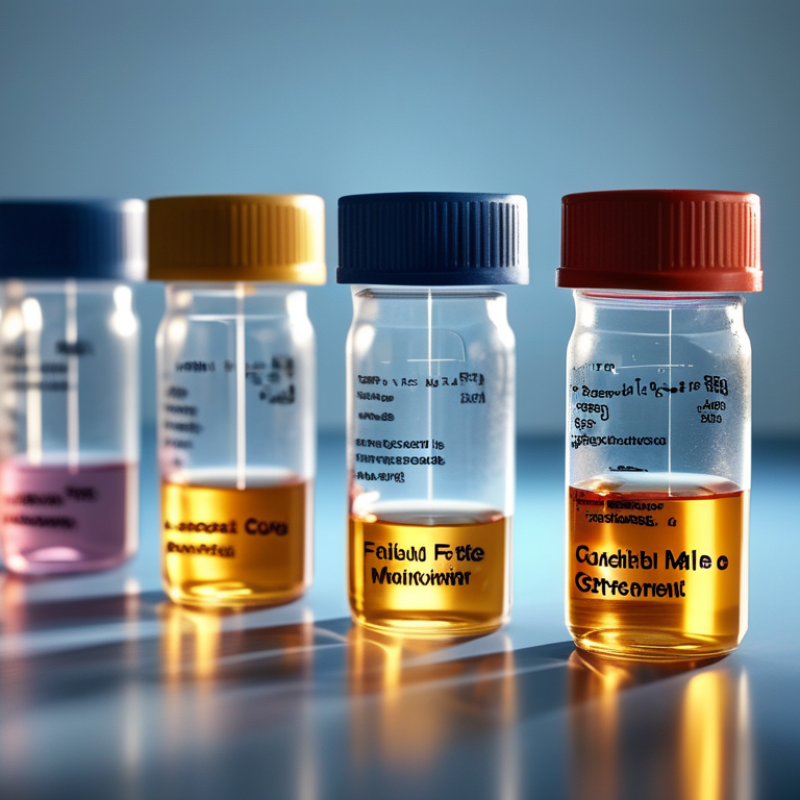
Top Tips to Prevent Leaking in Specimen Collection Containers?

Understanding the Importance of Leaking Prevention in Specimen Collection

Specimen collection plays a crucial role in medical diagnostics. The integrity of the samples is vital for accurate results. Any leaks can compromise the reliability of tests. It's essential to understand the importance of preventing leaks in specimen collection containers. By ensuring proper sealing and handling, health professionals can maintain the quality of specimens.

One tip for preventing leaks is to inspect containers before use. Look for any visible damage or defects. Cracks or weak seals may lead to leaks. Additionally, ensure that the lids fit tightly. A loose cap can result in spillage during transport. Use proper sealing techniques. For example, apply additional tape for added security.

Another vital point is proper labeling. Clear labels help prevent confusion and mishandling. In the rush of a busy lab, mismanagement can result in leaks or contamination. Always double-check the labels when filling containers. This can save time and prevent costly errors for patient samples. Providing clear instructions to staff is equally important. Not every team member may be aware of potential leak risks. Training can reinforce best practices in specimen handling.

Choosing the Right Type of Container for Your Specimen Collection Needs

Choosing the right container for specimen collection is crucial. Various specimens require different types of containers. For example, blood samples often need vacuum-sealed tubes, while urine samples might require sterile cups. Each container type serves a purpose and affects the specimen’s integrity.

When selecting containers, consider the material. Plastic and glass each have benefits. Plastic is lighter and less breakable, while glass is inert and doesn’t react with samples. Pay attention to seals. If they are not secure, specimens may leak during transport. Always check for visible defects in containers before use.

It’s common to overlook the smaller details. Labels that are hard to read can lead to confusion. Using containers that fit your specific needs is essential. Some containers may not handle extreme temperatures well. In those cases, transporting them in insulated bags might be necessary. Choosing wisely can save time and ensure accurate results in lab testing.

Proper Sealing Techniques to Minimize Risk of Leaks

When collecting specimens, proper sealing techniques are crucial. Ensuring that the lids are securely fastened can greatly reduce leak risks. It’s important to check that the container’s rim is clean before sealing. Any residue can prevent a tight fit. Consider using containers designed for specific specimen types. Some will have additional features to aid in secure sealing.

Testing the seal after collection can be beneficial. A simple squeeze test can reveal if the container is holding tight. If leakage occurs, reassess your sealing method. Relying on visual checks alone isn't enough. It’s easy to overlook small imperfections that may lead to issues later. Being proactive can save time and ensure sample integrity.

Training staff on sealing protocols is vital. Having clear guidelines helps everyone understand their roles. Sometimes, even experienced personnel may neglect proper techniques. Continuous reminders and periodic evaluations can maintain high standards. Encourage an open culture where team members can share insights or mistakes. Learning from past experiences can cultivate better practices.

Top Tips to Prevent Leaking in Specimen Collection Containers

Best Practices for Handling and Transporting Specimen Collection Containers

Handling and transporting specimen collection containers require careful attention. A report from the Clinical Laboratory Standards Institute indicates that improper handling can lead to sample contamination. According to recent surveys, nearly 30% of specimens collected are compromised by leaks or spills during transport, highlighting the need for better practices.

For safe transport, ensure containers are securely capped. This helps prevent leakage, especially during temperature fluctuations. Consider using secondary containment, such as biohazard bags or coolers, to minimize risk. Always label containers clearly and accurately. Mislabeling can result in significant diagnostic errors and impact patient care.

Temperature control is crucial in preserving specimen integrity. Some samples require specific conditions to remain viable. Regularly check equipment like coolers to maintain optimal temperature ranges. Proper training on handling protocols is essential to reduce human errors. Staff should be educated on the potential consequences of mishandling specimens. This not only protects integrity but enhances overall laboratory efficiency.

Regular Maintenance and Inspection of Collection Containers to Prevent Damage

Regular maintenance and inspection of specimen collection containers are vital for preventing leaks. Over time, containers may develop cracks or wear, leading to potential contamination. Routine checks can identify these flaws before they become significant problems. A simple visual inspection can reveal surface damage or deformations. Look for any signs of wear, especially around the seals. These areas are often the most susceptible to leaks.

In addition, it is important to properly clean and store containers. Residue and spills can compromise the integrity of the containers. A practicing lab technician once shared that neglecting to clean containers carefully led to a failure in one batch of specimens. Also, incorrect storage can affect the containers' durability. Ensure they are stored in appropriate conditions to prolong their lifespan.

Training personnel on proper handling practices is crucial. This includes emphasizing the importance of inspecting containers before each use. Providing clear guidelines can help minimize accidents. Staff should be encouraged to report any concerns about containers promptly. An organization that prioritizes this approach can significantly reduce the risk of leaks in specimen collection.

Top Tips to Prevent Leaking in Specimen Collection Containers

Tip Description Frequency of Maintenance
Regular Inspection Inspect containers for cracks or defects before use. Before each collection
Proper Storage Store containers in a temperature-controlled environment. Daily
Secure Sealing Ensure lids are tightly secured before transport. Each use
Use of Correct Containers Use containers designed for the specific type of specimen. As needed
User Training Provide training for staff on handling and transporting specimens. Annually

FAQS

: Why is preventing leaks important in specimen collection?

: Preventing leaks is vital to maintain sample integrity for accurate diagnostic results.

How can I inspect specimen containers for leaks?

Check for visible damage, such as cracks or weak seals, before using any containers.

What should I do if a lid doesn't fit tightly?

A loose lid can lead to spillage; ensure it fits securely or use additional tape for security.

What is the role of labels in specimen collection?

Clear labels prevent mishandling and confusion, which can compromise sample integrity during busy lab times.

How can I test the seal after specimen collection?

A simple squeeze test can reveal if the container is sealed properly; if it leaks, reassess your method.

Why is staff training important in preventing leaks?

Training informs staff about proper sealing techniques, reducing the chances of human error and improving consistency.

What containment methods should I use during transport?

Use secure caps and secondary containment, like biohazard bags, to protect against leaks during transport.

How often should temperature control be monitored?

Regular checks on coolers are essential to ensure specimens remain viable under optimal temperature conditions.

What benefits come from maintaining high standards in specimen handling?

High standards reduce contamination risks and improve overall laboratory efficiency and patient care outcomes.

What should we learn from past mishandling of specimens?

Reflecting on past errors can lead to better practices and reinforce the importance of adhering to protocols.

Conclusion

Effective prevention of leaks in specimen collection containers is critical to ensure the integrity of samples. Understanding how to prevent leaking in specimen collection containers begins with selecting the appropriate container type that aligns with your specific needs, which is crucial for maintaining sample stability. Utilizing proper sealing techniques can also significantly reduce the likelihood of leaks during both handling and transportation.

Additionally, adhering to best practices when managing specimen collection containers is essential for minimizing risks. This includes regular maintenance and inspection to identify and rectify any potential damage to the containers. By implementing these strategies, laboratories and healthcare providers can enhance the reliability of their specimen collection processes and ensure that samples remain uncontaminated and viable for analysis.

Liam

Liam

Liam is a dedicated marketing professional with a profound expertise in the industry, where he excels at highlighting the unique advantages of our core products. With a keen understanding of market trends and consumer needs, Liam frequently updates our company’s professional blog, providing......