Breeze Medical
In laboratory settings, a common question arises: "Why are petri dishes stored upside down in the lab?" This practice is rooted in microbial contamination prevention. According to a study by the Journal of Microbiological Methods, proper storage methods can reduce contamination rates by up to 30%. When petri dishes are inverted, condensation prevents moisture buildup on the culture medium. Excess moisture can encourage unwanted microbial growth, compromising experimental integrity.
Moreover, the Centers for Disease Control and Prevention (CDC) recognizes maintaining a sterile environment as crucial for accurate results. Inverted storage protects the samples from airborne contaminants and environmental factors. Interestingly, not all labs enforce this practice uniformly. Some researchers may overlook the importance of this simple step, potentially leading to flawed data. Such oversights highlight the need for ongoing training and reminders about best practices in laboratory operations.
Ultimately, understanding "Why are petri dishes stored upside down in the lab" enhances laboratory efficacy. Inconsistent practices may emerge from routine neglect rather than a lack of knowledge. Fostering an awareness of storage protocols can significantly bolster experimental accuracy and reliability.
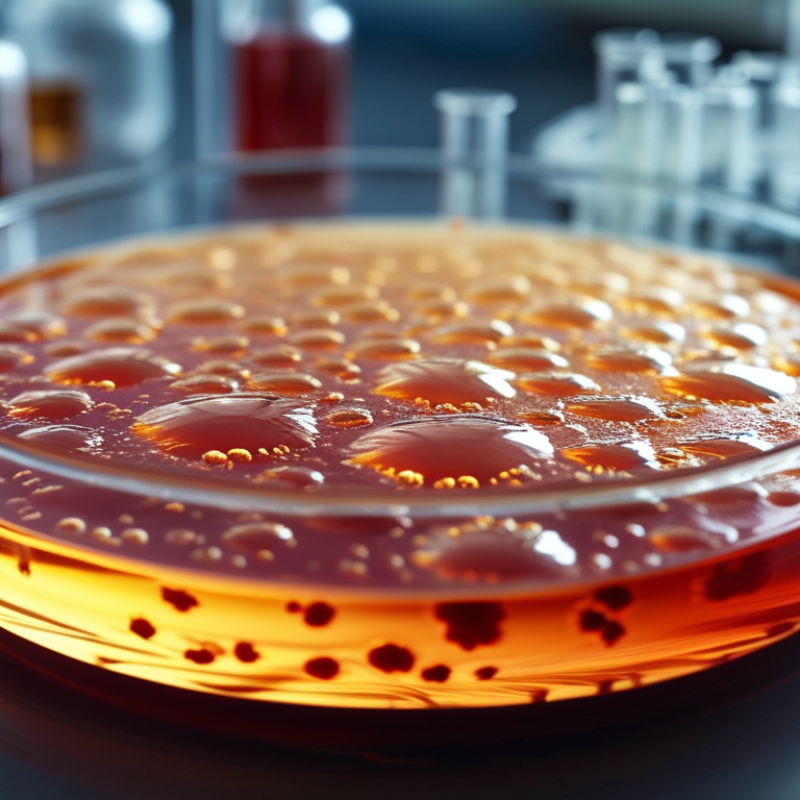
Storing Petri dishes upside down is a widely accepted practice in laboratories. This method significantly reduces the risk of contamination. When stacked normally, condensation can form on the lids, dripping onto the agar medium. This moisture provides an ideal environment for unwanted bacterial growth. A study from the American Society for Microbiology highlights that keeping lids upside down minimizes this risk.
Laboratory workflows often emphasize sterility. Researchers are reminded that microorganisms can thrive in unexpected ways. Upside-down storage promotes airflow around the samples. It also discourages dust and other contaminants from settling. According to a report by the National Institutes of Health, proper storage contributes to more reliable experimental results. The integrity of the samples remains top-notch when protocols are followed correctly.
However, not all labs fully embrace this method. Some researchers still adhere to traditional practices. This could be due to a lack of awareness or training. Adopting modern protocols can be a challenge. Continuous education is vital in promoting good laboratory practices. Upside-down storage could improve outcomes. Yet, persistence in outdated methods remains a hurdle.
Petri dishes are often stored upside down in laboratories. This practice significantly reduces the risk of contamination. When stored in this position, excess moisture collects on the lid instead of the agar surface. This leads to fewer chances for bacteria or mold to grow.
According to a study published in the Journal of Microbiological Methods, approximately 30% of laboratory cultures are compromised due to airborne contaminants. Storing Petri dishes upside down minimizes this risk. Labs have reported improved culture viability by up to 70% through this simple method.
Tip: Always ensure that the environment is clean. Regularly sanitize surfaces to reduce airborne particles.
Another benefit of upside-down storage is better visibility. It allows lab technicians to quickly inspect cultures without opening each dish. This speeds up analysis and helps maintain sterile conditions. However, it is crucial to handle dishes carefully to avoid accidental spills or contamination.
Tip: Use gloves when handling Petri dishes. This reduces the risk of transferring bacteria from hands to samples.
Storing Petri dishes upside down is a common practice in laboratories. This simple technique helps control moisture levels inside the dishes. When kept right-side up, condensation can form on the lid. This moisture may drip onto the agar surface, leading to contamination.
By flipping the dishes, scientists minimize this risk. The lid's concave shape collects any condensation, keeping it away from the agar. This not only preserves the integrity of samples but also promotes accurate research outcomes. A dry environment is crucial for many experiments.
Tips for optimal moisture control include using high-quality agar and ensuring proper sealing of the dishes. It's essential to rotate dishes occasionally for even drying. Always check for any signs of contamination, even in stored dishes. This proactive approach helps maintain reliable results. While this method seems straightforward, nuances can affect experimental outcomes. Reflecting on what works best for your specific needs is valuable.
| Dimension | Description |
|---|---|
| Moisture Control | Storing Petri dishes upside down prevents condensation from forming on the agar surface, reducing moisture that can promote unwanted microbial growth. |
| Contamination Risk | Upside down storage minimizes the risk of airborne contaminants settling on the culture medium during storage. |
| Space Efficiency | Storing dishes upside down can allow for stacking, saving valuable space in laboratories. |
| Agar Surface Preservation | This method helps to keep the agar surface intact and prevents it from drying out, ensuring better results when inoculated. |
| Lab Protocols | Many laboratory protocols specify inverted storage for consistency and reliability in experimental conditions. |
Petri dishes are commonly stored upside down in laboratories, a practice grounded in practical observations. This orientation helps prevent contamination from airborne particles and moisture. According to a study published in the Journal of Microbiological Methods, improper handling of Petri dishes can lead to a contamination rate as high as 40%, which can compromise experimental integrity.
In addition to storage, handling techniques are crucial. Researchers should avoid touching the inner surface of the dish to reduce contamination risks. A report by the American Society for Microbiology emphasizes that even small disturbances can contaminate cultures. Working behind a sterile hood minimizes these risks, yet it requires training and experience. Proper aseptic techniques are essential, yet many laboratories struggle with adherence to these practices.
Interestingly, the focus on efficient storage and handling highlights an area for improvement. Many protocols lack uniformity, leading to variability in results. It is noted that inconsistent practices can result in error rates of up to 25%. Reflecting on current practices may shed light on areas for training and refinement in laboratory settings, ultimately enhancing productivity and research outcomes.
In laboratory settings, storing Petri dishes upside down is a common practice. This method has scientific reasoning behind it. The primary goal is to prevent contamination. When dishes are placed upside down, any condensation forms on the lid rather than the agar surface. This is crucial. Moisture on the agar can lead to unwanted growth of molds and bacteria.
Moreover, this storage technique helps maintain the integrity of specimens. By minimizing moisture contact, researchers ensure a clearer observation of the cultures. This results in more accurate data collection. However, this method is not without its challenges. It requires careful handling to avoid tipping or spilling. The need for a stable and clean storage space is essential.
In some cases, despite best efforts, contamination can still occur. Environmental factors such as airborne pathogens cannot be entirely controlled. Labs must regularly monitor their storage practices. Continuous improvement is key to achieving reliable and reproducible results. This practice, though systematic, invites reflection on how unpredictable nature can be in scientific explorations.
: Storing Petri dishes upside down reduces contamination risks from condensation and airborne particles.
Condensation can drip onto the agar medium, promoting unwanted bacterial growth.
This practice encourages airflow around samples, reducing dust and other contaminants.
No, some labs stick to traditional practices due to lack of awareness or training.
Improper handling may result in a contamination rate as high as 40%.
They minimize contamination risks, ensuring experimental integrity.
Many laboratories struggle with adherence to proper aseptic techniques, affecting reliability.
Inconsistent practices can lead to error rates of up to 25%.
A lack of uniformity in storage and handling techniques needs attention to enhance outcomes.
It may highlight areas for training and refinement, boosting productivity.
Petri dishes are commonly stored upside down in laboratory settings to prevent contamination and manage moisture effectively. The primary reason behind this practice, "Why are petri dishes stored upside down in the lab," lies in minimizing the risk of airborne contaminants settling on the agar surface. By inverting the dishes, researchers ensure that any condensation that may form on the lid does not drip onto the culture medium, which can lead to unwanted growth and skew experimental results.
Additionally, this method supports better moisture control within the dishes, preserving the integrity of the samples and making it easier to handle them without compromising their sterility. Common practices among lab environments regarding Petri dish handling include careful storage and proper techniques when removing and sealing dishes to maintain a contamination-free environment. Overall, understanding the scientific rationale behind the upside-down storage method emphasizes its significance in laboratory protocols.
